Overview
The Central Coast Regional District (CCRD) is a regional government under British Columbia’s Local Government Act. Incorporated in 1968, the CCRD serves a population of less than 4,000 residents and provides local and regional protective, recreational, environmental, and transportation services to area ratepayers.
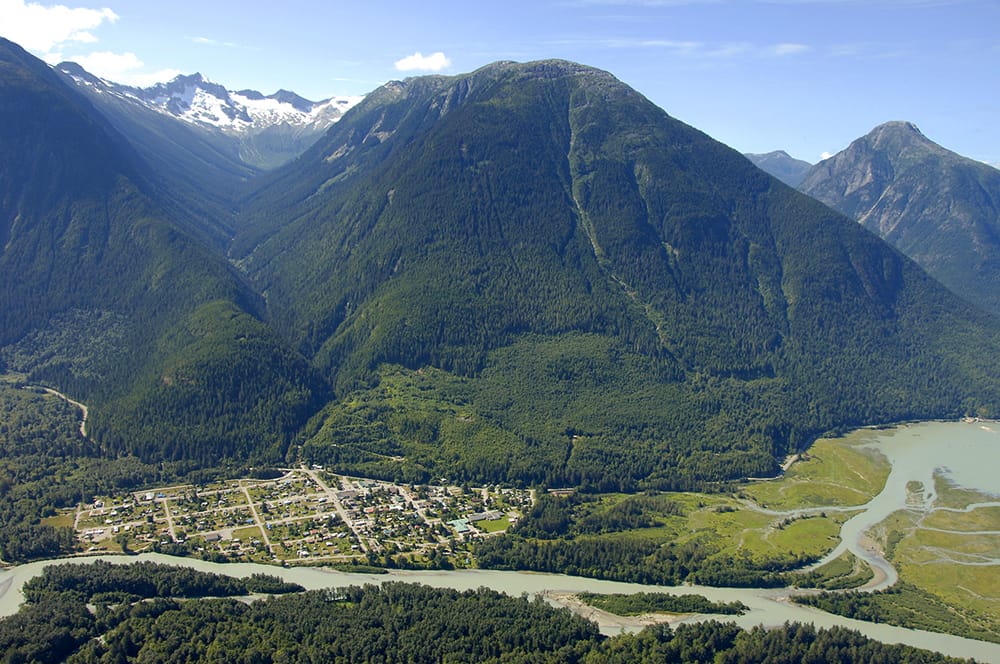
The CCRD’s electoral area boundaries encompass and area of 24,000 square kilometres nestled in the heart of BC’s central coast. Home to a vast temperate rainforest rich in biodiversity and wildlife, endless Pacific Ocean coastline, inlets, and islands, towering glacial mountains, and pristine watersheds, the Central Coast constitutes some of the world´s most spectacular and untouched scenery and natural beauty, and is teeming with rich biodiversity and wildlife.
The CCRD’s governance body is made up of five electoral areas that include the Wuikinuxv Nation, Heiltsuk Nation (Bella Bella), and Nuxalk Nation communities, as well as the several unincorporated communities of Bella Coola, Hagensborg, Firvale, Stuie, Denny Island, Ocean Falls and Rivers Inlet. Without municipalities, the Central Coast Regional District is the only regional district in British Columbia to be providing services to only Indigenous peoples, unincorporated communities, and rural areas.
CCRD Mandate
The Local Government Act prescribes the purposes of regional districts as follows:
s. 185 recognizing that regional districts are an independent, responsible, and accountable order of government within their jurisdiction, the purposes of a regional district include:
- providing good government for its community
- providing the services and other things that the board considers are necessary or desirable for all or parts of its community
- providing for stewardship of the public assets of its community, and
- fostering the current and future economic, social, and environmental well-being of its community
Broadly, everything that the Central Coast Regional District does fits into three categories: area specific services, regional services, and advocacy.
The first category is to provide area-specific services such as fire protection, water systems and street lighting to constituents within defined service areas. These services are generally established through regional district bylaw and are confined to small geographic areas outlined in the establishing bylaw.
The second category is to provide services to the entire region, where it doesn´t make sense to duplicate services for each area, or where British Columbia requires service provision under the Community Charter or Local Government Act or other enabling legislation such as the Emergency Program Act. Examples are Community Economic Development, Emergency Preparedness, and regional Library services.
The third category involves efforts to influence the Federal or Provincial Government through various advocacy initiatives mandated by the Board of Directors on behalf of constituents in the region.
The CCRD’s efforts, including potentially establishing new services, existing service enhancements, as well as advocacy priorities, are steered by the Board of Director’s mandated Strategic Plans. CCRD residents are encouraged to speak to their area director regarding input on our current strategic plan.
Did you know? Fact Sheets about the CCRD and governance in the region are available on our website! Please visit the Governance page for more information about the most recent Diagnostic Governance and Service Delivery Study.
Important Links
- BC Air Quality
- Environment Canada Wildfire Smoke Model
- BC Wildfire Service – Active Wildfires
- Drive BC
- Fire Bans and Restrictions
Reconciliation Statement
The Central Coast Regional District is committed to continual engagement and meaningful efforts in the ongoing and often complex process of Reconciliation. The CCRD shares overlapping jurisdiction with and within the traditional and unceded territories of the Heiltsuk Nation, Nuxalk Nation, and Wuikinuxv Nation, as well as the Kitasoo/Xai’Xais Nation and Ulkatcho Nation.
CCRD’s reconciliation efforts are guided by the principles enshrined in the Truth and Reconciliation Commission of Canada’s Calls To Action, the Report of the Royal Commission on Aboriginal Peoples, and the United Nations Declaration on the Rights of Indigenous People. Just as importantly, efforts are also guided by continuous improvement of 1:1 and government-to-government relationships at the community level, including but not limited to:
- acknowledging and condemning the historical genocide of Indigenous peoples of the Central Coast through smallpox, forced sequestration of communities to reservations and residential schools, suppression of traditional governance, legal customs and land and stewardship responsibilities, the denial of human dignity and human rights, and other means as detailed extensively in Canadian royal commission reports;
- acknowledging the ongoing and continuing systemic colonialism and genocide of Indigenous peoples still occurring in our region, Canada, and the world today;
- acknowledging and working to change ongoing oppression of and racism towards indigenous people in our region;
- engaging in opportunities for collaboration between CCRD and local Indigenous peoples;
- acknowledging and honouring the colonial governance structure of Chief and Council, and the traditional governance structure of hereditary chieftainship;
- open communication and transparency of decision-making;
- encouraging, modelling, and promoting inclusive behaviour by CCRD staff and elected officials;
- requiring cultural competency training for staff and elected officials;
- continuous creation and improvement of policy via an inclusive lens;
- affirmative action hiring policies and practices.
CCRD is a colonial government established in 1968 by the Province of British Columbia, and acknowledges and honours the fact that Indigenous peoples in the Central Coast region, and throughout what is now called Canada, are sovereign nations and have been governing themselves since time immemorial.
Unceded Nuxalk Ancestral Territories
The administrative offices of Central Coast Regional District are located within the traditional and unceded ancestral territories of the Nuxalk Nation.
Summary Statement
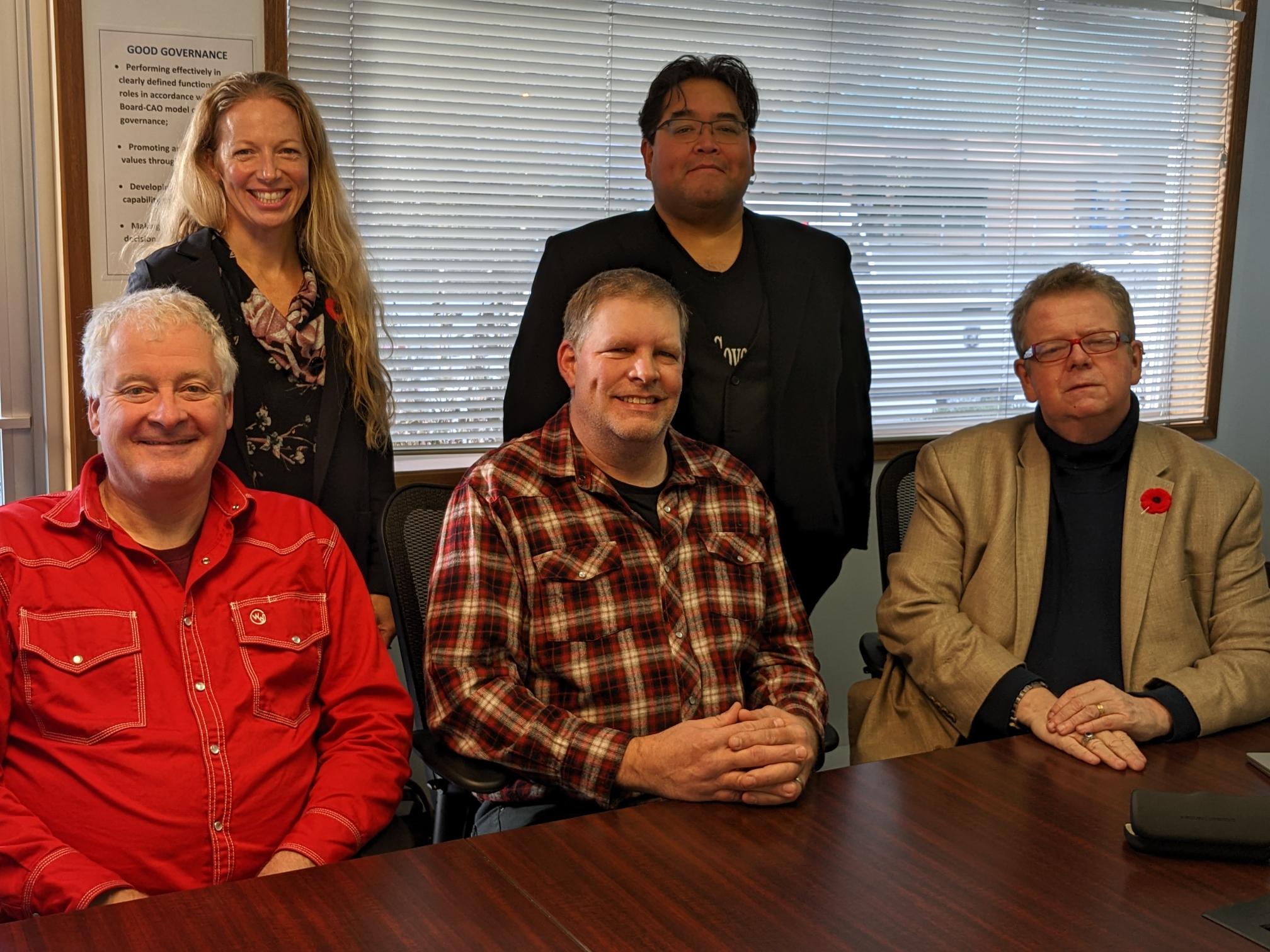
The Central Coast Regional District is governed by an elected body of five Electoral Area Directors, who are guided by the following statements:
Our Mission
To foster the sustainable socioeconomic and environmental well-being of the Central Coast through the professional and efficient delivery of mandated regional and community services.
Our Vision
Our vision for Central Coast Regional District is an inclusive, resilient, and sustainable group of communities thriving as a diverse locally-influenced economy within a safe, healthy, and natural environment.